Boost Local Engagement with QR Codes
Small businesses can boost local customer engagement by using QR codes to connect offline marketing with measurable online actions efficiently.
Problem overview
Small business owners often struggle to effectively engage local customers in a world dominated by digital distractions and saturated marketing channels. Traditional methods like flyers, posters, and word of mouth, while useful, often lack measurable impact and fail to drive consistent, trackable customer interactions. Physical marketing assets rarely provide a clear connection between offline efforts and online engagement, leaving businesses in the dark about which strategies truly work.
Why traditional tools fail
Common marketing tools such as printed ads and standalone digital promotions tend to operate in silos. Flyers or posters can attract attention, but businesses struggle to capture measurable data that links directly back to these efforts. Similarly, digital campaigns might reach a broader audience but often miss the very local customers walking by a shop or restaurant every day. This disconnect results in missed opportunities to convert walk-ins into loyal patrons or track campaign ROI accurately. Moreover, setting up complex marketing tech stacks or mobile apps can be cost-prohibitive and overly complicated for small teams.
Smarter approach / workflow
Integrating QR codes into your local marketing strategy offers a simple but powerful solution. QR codes bridge the gap between offline and online by providing an immediate, easy way for customers to access information, promotions, or menus right from their smartphones. When placed strategically on signage, packaging, or printed materials, QR codes invite instant interaction without requiring additional apps or setups.
A modern workflow includes creating unique QR codes linked to specific offers or content, placing them in relevant high-traffic spots, and then monitoring scan data for insights. This lets business owners adjust their messaging or locations based on real customer engagement and preferences, aligning marketing efforts closely with actual results.
How this works in practice
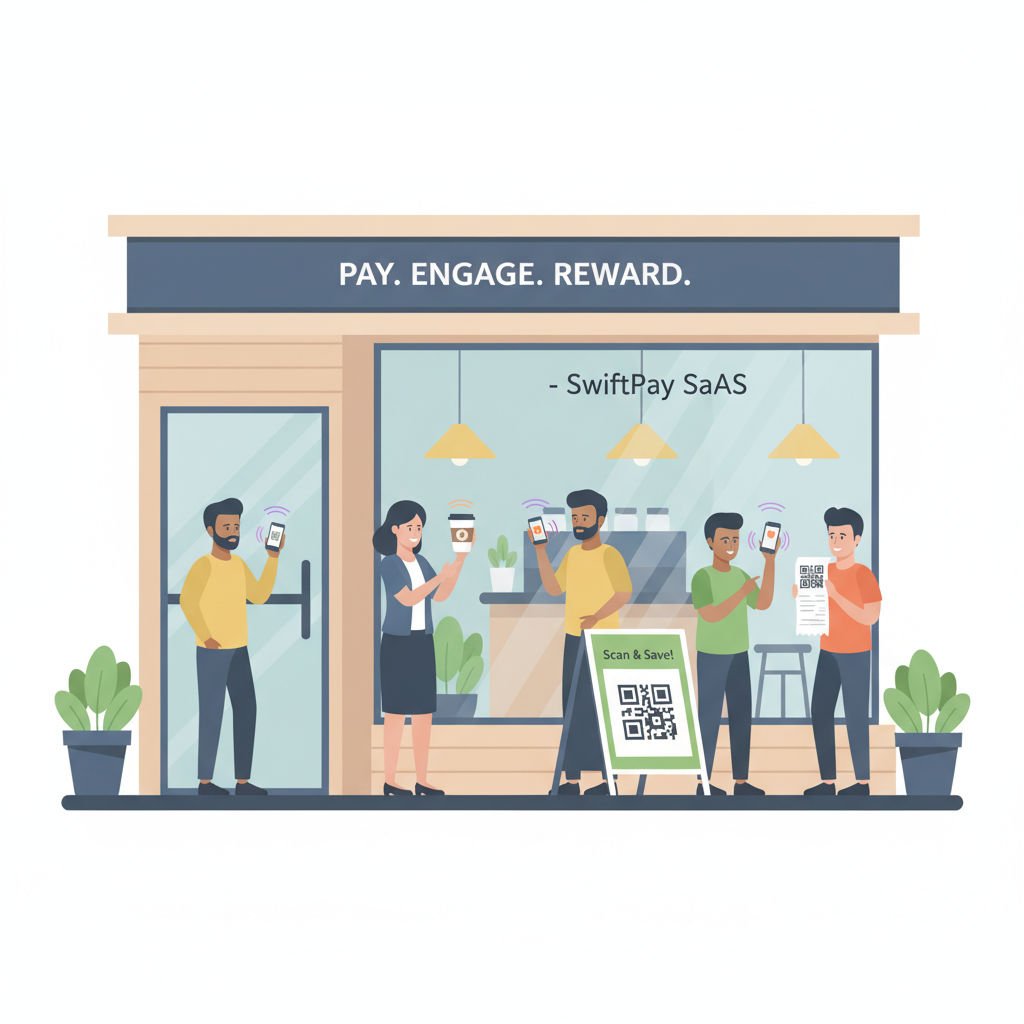
Consider a local coffee shop wanting to increase repeat visits. Instead of distributing generic coupons, the shop generates a QR code linking to a loyalty program signup page with a first-visit discount included. They place this QR code on takeaway cups, in-store posters, and receipts. Customers scan the code simply and quickly using their phone camera, sign up without downloading an app, and immediately receive the offer.
The business tracks which locations yield the most scans and adjusts placements accordingly. Over time, the coffee shop can see direct correlations between QR code engagement and sales increases. Additionally, by updating the content linked to the QR code, they keep offers fresh without reprinting materials.
Key takeaways
- Traditional marketing often misses measurable engagement; QR codes create a clear bridge between offline and online customer actions.
- Small businesses can deploy QR codes easily with minimal cost and no technical barriers.
- Tracking QR code scans provides valuable data to optimize local marketing strategies in real time.
- The approach enables delivering targeted offers and timely information that keep local customers coming back.
- Using QR codes keeps the customer experience simple, fast, and friction-free on familiar devices.
By adopting a QR code strategy like this, small businesses can more effectively engage their local audience, understand what drives customer response, and iteratively improve their marketing without costly tools or complex workflows. This practical and measurable method fits well with the day-to-day realities of running a local business and builds stronger connections that support growth over time.